

Key Points
- Personalized Approaches: Tailored strategies enhance the likelihood of success in toilet training children with autism.
- Visual Supports: Tools like visual schedules and social stories can ease anxiety and create clarity during the training process.
- Family Involvement: Engaging family members in the training process fosters a supportive environment and reinforces learning.
Introduction
Toilet training can be a challenging milestone for any child, but it can feel even more difficult for children with Autism Spectrum Disorder (ASD). Many kids on the spectrum face unique hurdles during toilet training, such as communication difficulties, sensory sensitivities, and variability in learning pace. However, with the right strategies and support, parents can help their children successfully navigate this process.
Effective toilet training requires patience, understanding, and a tailored approach. At Beyond Care Therapy, we believe that combining the principles of Applied Behavior Analysis (ABA) with practical techniques can lead to successful outcomes. This blog will explore various effective strategies for toilet training children with autism, offering invaluable insights for parents and caregivers.
Toilet Training for Children with Autism
Toilet training for children with autism involves specific techniques and practices to help them learn to use the toilet independently. This process often requires consideration of the child’s unique strengths and challenges. Understanding the initial signs of readiness is essential, as it can help create an appropriate plan for progressing through this developmental milestone.
Indicators that a child may be ready for toilet training include:
- Showing interest in the bathroom or toilet
- Telling you when they’ve soiled themselves
- Going to a private spot in the house to eliminate
- Demonstrating an understanding of basic instructions
Recognizing these signs aids parents in determining the best time to begin toilet training and tailoring strategies that capitalize on the child’s readiness.
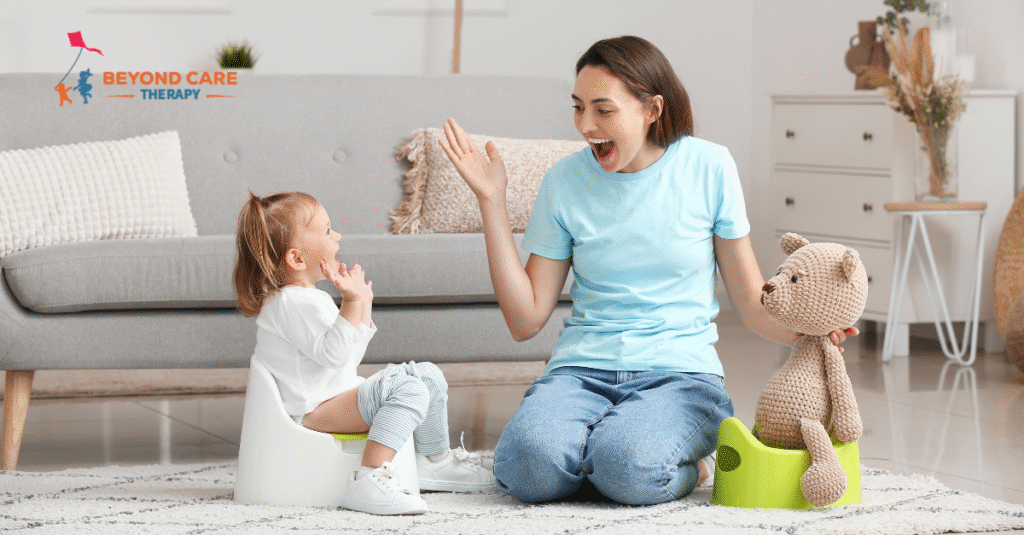
Effective Strategies for Toilet Training Children with Autism
Toilet training children with autism can be made easier with tailored strategies. Here are some effective methods:
1. Use Visual Supports
Visual supports are valuable tools in helping children understand the steps involved in using the toilet. Consider creating a visual schedule that outlines the process, like sitting on the toilet, wiping, flushing, and washing hands. Toilet training images can depict each step, making it simple for the child to follow along. This visual approach reduces uncertainty and helps them anticipate what comes next.
2. Praise and Reinforcement
Positive reinforcement is the key in ABA therapy. When your child successfully uses the toilet, provide immediate praise and rewards. This could be a favorite snack, a sticker, or extra playtime. By associating toilet use with positive outcomes, kids are more likely to repeat the behavior.
3. Establish a Routine
Consistency is crucial in toilet training. Create a routine where your child is encouraged to use the toilet at specific times throughout the day, such as after meals or before bedtime. Setting a timer can remind you and your child about these scheduled breaks.
4. Gradual Introduction
For some children, the transition from diapers can be difficult. Start by training them for short periods, gradually increasing the duration as they become comfortable. Choosing cartoon toilet training stuff with their favorite characters can make this transition better for your child.
5. Encourage Communication
For non-verbal children, teaching them simple sign language or using picture cards to signal that they need to go to the toilet can be incredibly helpful. This ensures that the child can communicate their needs effectively, making the training process smoother.
6. Incorporate Social Stories
Social stories are brief narratives that explain what to expect during a specific situation, making them an excellent tool during toilet training. These stories can help prepare your child for using the toilet, reduce anxiety and provide a framework for what will happen.
7. Be Patient and Adaptable
Toilet training is often a process filled with ups and downs. It’s essential to remain patient and adaptable. If your child has accidents, avoid harsh reactions. Instead, gently encourage them to try again next time. Recognizing that every child learns at their own pace is important; finding what works best will take time and experimentation.
8. Practice with Reinforcement and Consistency
At the beginning stages of toilet training, it’s crucial to reinforce efforts made by your child, even if they do not completely use the toilet. For example, if they sit on the toilet, offer praise. Establish a consistent routine by taking them to the bathroom at regular intervals throughout the day, like after meals or every couple of hours.
If you are looking for guidance and support in implementing effective toilet training strategies tailored to your child’s unique needs, contact us at Beyond Care Therapy! We are here to help!

Additional Strategies for Successful Toilet Training
1. Create a Positive Bathroom Environment
Making the bathroom a welcoming and comfortable space can encourage the child to use it. Try these:
- Decorate the Space: Use bright colors or friendly designs, perhaps even incorporating their favorite cartoon characters. This makes the bathroom look inviting.
- Reduce Sensory Overload: If your child is sensitive to sounds, consider adding a soft rug or using noise-canceling headphones to reduce any loud flushing or toilet noises.
- Comfortable Seating: Ensuring that the child feels stable and comfortable is important. Using a potty seat on the regular toilet can help them feel secure, especially if they have concerns about falling.
2. Use Engaging and Fun Tools
Utilizing engaging tools can motivate your child to participate in the toilet training process. Try these tools:
- Cartoon Toilet Training: Leverage videos or shows that depict characters successfully using the toilet to demonstrate the process. This visual reinforcement can make the idea of using the toilet more relatable and fun.
- Interactive Books: Read books about toilet training that feature engaging characters and fun illustrations. This can normalize the experience and create excitement around the idea of going to the bathroom.
* Tip: Use visual aids and simple language to describe the toilet training process. This clarity can help reduce anxiety and make the learning experience more enjoyable for your child.
Conclusion
Successfully toilet training children with autism involves understanding their unique needs and implementing effective strategies in a supportive environment. By creating a positive bathroom atmosphere, establishing routines, and employing engaging tools, parents can pave the way to successful toilet training. Remember that patience and personalization are key, and involving the family enhances the overall training experience.
Frequently Asked Questions
Q: What strategies are effective for toilet training autistic children?
Effective strategies for toilet training autistic children include using visual supports, establishing a routine, providing positive reinforcement, and encouraging communication through signs or pictures.
Q: Are there specific tools that can help with toilet training?
Yes, tools like visual schedules, social stories, and sensory-friendly toilet seats can help facilitate the toilet training process for children with autism.
Q: How long does toilet training typically take for children with autism?
The duration of toilet training varies significantly among children with autism. Factors such as readiness, consistency, and individual differences may influence the time required to achieve full independence.
Q: What are the common challenges in toilet training children with autism?
Common challenges in toilet training autistic children include communication difficulties, resistance to change, sensory sensitivities, and fear or anxiety associated with using the toilet.