

Key Points
- In-home ABA therapy provides personalized, accessible support in your child’s familiar environment, promoting effective learning.
- Family involvement is critical in home-based ABA therapy, as it enhances collaboration and reinforces skills across daily routines.
- Understanding in-home ABA therapy insurance coverage rights ensures families can access necessary services without unexpected costs.
What is the Importance of In-Home ABA Therapy for Autistic Children?
As a parent of a child with Autism Spectrum Disorder (ASD), you want the best possible support to help your child thrive. One option to consider is in-home ABA therapy, a personalized approach that brings Applied Behavior Analysis (ABA) directly to your living room. By fostering a comfortable and familiar environment, in-home therapy can significantly enhance your child’s learning experience. This blog will provide insight into how in-home ABA therapy works, its unique benefits for Utah families, and essential considerations to help you make the right choice for your child.
At Beyond Care Therapy, we understand that navigating the world of therapy services can seem overwhelming. Our goal is to empower parents like you with the knowledge needed to decide if in-home ABA therapy is the perfect fit for your family.
Contact us today to discuss your options and begin your journey towards effective ABA therapy with our experts!
Understanding In-Home ABA Therapy
What is In-Home ABA Therapy?
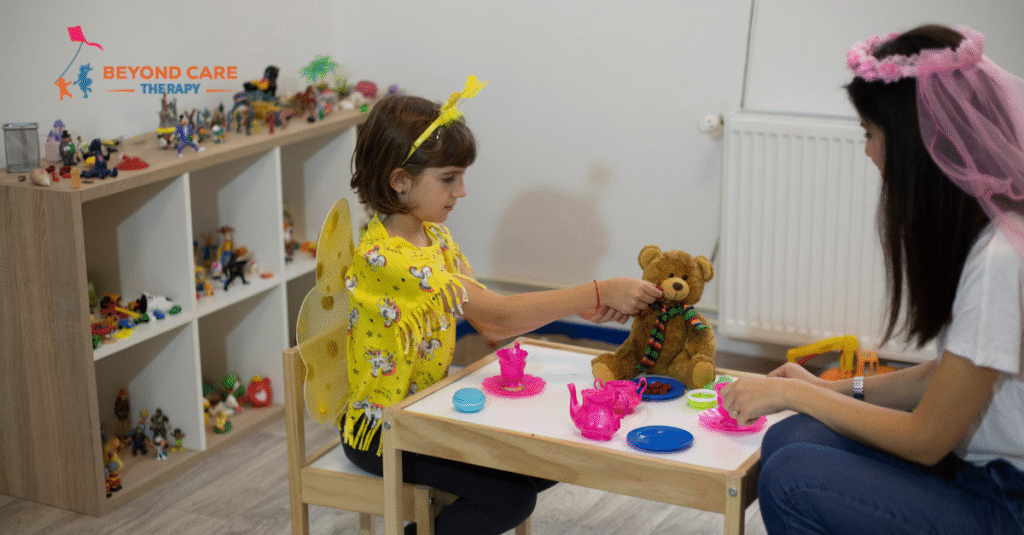
In-home ABA therapy refers to the delivery of ABA services within a child’s home environment. A trained therapist visits the family’s home to implement therapeutic strategies tailored to the child’s needs. The focus is on creating a supportive and familiar setting, making it easier for the child to participate and learn.
Benefits of In-Home ABA Therapy for Utah Families
- Comfort and Familiarity
- Children often feel more secure in their home environment, which can reduce anxiety and increase engagement during therapy sessions.
- Children often feel more secure in their home environment, which can reduce anxiety and increase engagement during therapy sessions.
- Family Involvement
- Home-based ABA therapy allows parents and siblings to be involved, providing insights and strategies that can be applied throughout the day.
- Home-based ABA therapy allows parents and siblings to be involved, providing insights and strategies that can be applied throughout the day.
- Individualized Care
- Therapists can tailor approaches based on the child’s specific needs and the family’s daily routines, leading to more effective outcomes.
What Are the Potential Challenges of In-Home ABA Therapy?
While there are many advantages of in-home ABA therapy, there are also challenges to consider:
- Distractions: The home environment may have distractions that could hinder focus during therapy sessions.
- Limited Resources: Some equipment or materials used in clinic settings may not be readily available at home.
How Many ABA Therapy Hours are Needed for Effective Progress?
The question of “how many ABA therapy hours are needed for meaningful progress” can vary based on individual needs. However, many experts recommend a minimum of 9 to 15 hours per week for children to make significant advancements in learning and behavior. More intensive support may be necessary for some children, which can fall into the range of 20 to 40 hours weekly.
The Role of Parents in In-Home ABA Therapy
Parental Rights in Home-Based ABA Services in Utah
As a parent, you have rights when it comes to home-based ABA therapy services in Utah. It’s essential to understand your rights to ensure you get the most appropriate care for your child.
Here are a few key rights:
- Access to Services: You have the right to access in-home ABA therapy covered by insurance, thanks to Utah’s Autism Insurance Mandate.
- Informed Consent: You should be fully informed about the therapy process, including methods, goals, and how progress will be tracked.
- Family Participation: Parents are encouraged to actively participate in their child’s therapy sessions, ensuring cohesive approaches across environments.
How Can Parents Support the Progress of Their Children with ASD During In-home ABA Sessions?
Parents can play an invaluable role in supporting their child’s progress during in-home ABA therapy.
Here are some effective ways:
- Engage Actively: Observing sessions and learning strategies taught by therapists allows parents to reinforce positive behaviors throughout the day.
- Create Consistency: Implementing techniques learned in therapy into daily routines strengthens the skills being taught.
- Stay Emotionally Supportive: A positive and encouraging environment bolsters your child’s confidence and motivation to learn.
How to Prepare Your Home for Effective ABA Sessions?
Creating a conducive environment at home is vital for successful in-home ABA therapy.
Here’s how you can prepare:

1. Designate a Dedicated Space
Choose a space in your home that is free from distractions, where sessions can occur consistently. This will help your child feel secure and familiar with their therapy environment.
2. Gather Necessary Tools
Equip the designated area with age-appropriate materials, including sensory tools or educational toys, to enhance learning opportunities.
3. Stay Involved
Have a responsible adult present during sessions to engage with the therapist as needed, ensuring a collaborative approach.
Need assistance in setting up for your first therapy session? Reach out to us, and we can guide you through the process!
Qualifications to Look for in an in-home ABA Provider
When seeking an ABA provider for in-home services in Utah, consider the following qualifications:
- Certification: Look for Board Certified Behavior Analysts (BCBAs) with experience in delivering in-home ABA therapy.
- Experience: Ensure the therapists have ample experience in working with children diagnosed with autism and understand family dynamics.
- Personal Approach: Inquire about their methods of engagement and how they involve parents and families in the therapy process.
Insurance Coverage for In-Home ABA Therapy in Utah
Thanks to Utah’s Autism Insurance Mandate, families have the right to insurance coverage for in-home ABA therapy services. The mandate requires insurance companies to cover ABA therapy without age limits, enhancing access to the necessary resources and supports. It is crucial to check with your insurance provider regarding specific coverage details, co-pays, and pre-authorization requirements.
Conclusion
Is In-Home ABA Therapy Right for Your Child?
Ultimately, in-home ABA therapy can be a highly effective choice for many children and families in Utah. By providing a familiar and comfortable environment, the therapy not only focuses on skill development but also incorporates lessons into the everyday family life of children with ASD.
*Tip: Remember to communicate openly with your child’s therapist and actively engage in the process, as this involvement is crucial in reinforcing the skills learned during therapy.
Frequently Asked Questions
A minimum of 9 to 15 hours per week is typically recommended for effective results in in-home ABA therapy. However, some children may benefit from more intensive support.
In-home ABA therapy offers the advantages of comfort, individualized care, family participation, and immediate application of skills in familiar environments, enhancing overall effectiveness.
Parents play a crucial role in in-home ABA therapy by actively participating in sessions, implementing strategies throughout daily routines, and providing an encouraging and supportive atmosphere.
Families should designate a distraction-free space for in-home ABA sessions, gather necessary materials, and ensure responsible adults are present to engage with the therapist as needed.
Look for certified BCBAs with experience in autism services, proficiency in engaging families in the therapy process, and a commitment to individualized approaches.
Parents have the right to access coverage for in-home ABA therapy without age limits due to Utah's Autism Insurance Mandate, ensuring support is available for their children.