
Key Points
- An autistic classroom should prioritize creating meaningful connections among students to foster social skills and communication.
- Introducing structured routines and clear expectations enhances the learning environment for students with autism, promoting better social interactions.
- Utilizing visual supports and technology can significantly improve understanding, communication, and social skills in an autistic classroom.
Introduction
Creating an environment where children with autism can grow socially and academically is essential, particularly in an autistic classroom. Supporting these students involves more than just academic instruction; it requires a holistic approach that fosters social skills and encourages interaction with peers. Given the unique challenges that many students on the spectrum face, such as difficulties with social cues and communication, understanding how to cultivate an inclusive atmosphere is crucial.
At Beyond Care Therapy, we emphasize the importance of developing social skills as part of our commitment to providing comprehensive support for children with autism spectrum disorder. In this blog, we’ll explore effective strategies to enhance social skills in an autistic classroom by focusing on practices for creating an inclusive classroom for students with disabilities, the role of routine, and the incorporation of visual supports.
Are you looking for ways to support your child’s social development? Contact us today to learn more!
What is an Autistic Classroom?
An autistic classroom is specifically designed to meet the needs of students with Autism Spectrum Disorder (ASD). These classrooms typically provide a structured environment that addresses both educational and social needs.
The key features of an autistic classroom include:
- Tailored Instruction: Lessons are customized to accommodate various learning styles and abilities, ensuring that teaching methods align with the individual needs of each student.
- Supportive Environment: The autism classroom design includes sensory-friendly setups and supports that create a safe and engaging atmosphere for learning.
- Focus on Social Skills: Strategies are implemented to enhance social interaction among students, helping them to develop relationships and communicate effectively.
Creating an Inclusive Classroom for Students with Disabilities
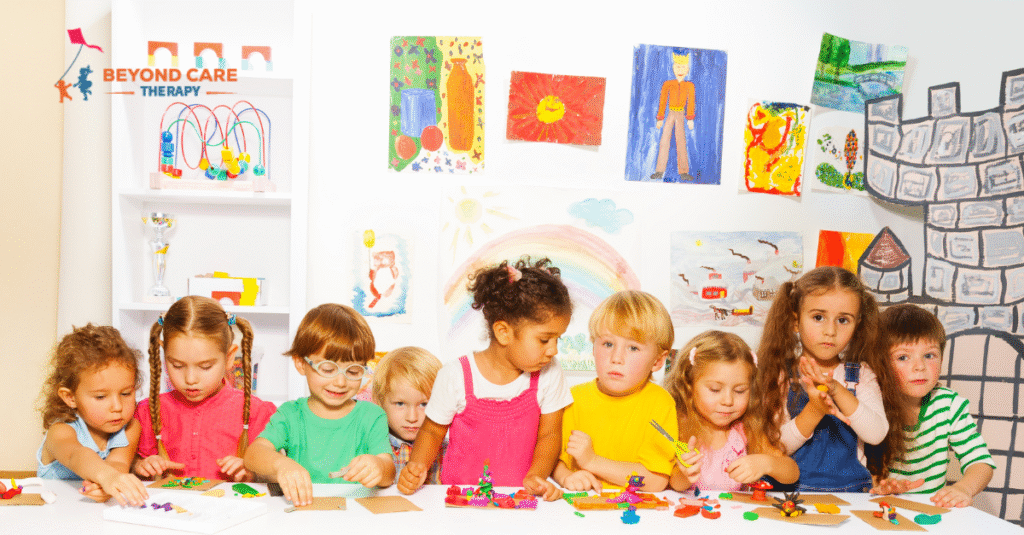
Creating an inclusive classroom for students with disabilities, particularly for those with autism, requires intentional strategies.
Here are some effective ways to foster an inclusive and supportive atmosphere:
- Model Positive Interactions: Teachers should demonstrate appropriate social behaviors and interactions, setting a positive example for students. This includes greeting students warmly and engaging them in respectful conversations.
- Encourage Peer Relationships: Pairing students with neurotypical peers who can model appropriate social interactions and behaviors provides valuable learning opportunities for students with autism.
- Use of “About Me” Sheets: Implementing personalized “About Me” sheets for students can help teachers learn about each child’s preferences, fears, and strengths, allowing for tailored support and interactions.
- Promoting Understanding: Incorporating lessons on autism and inclusion in education can foster empathy among all students, promoting a more supportive community.
The Importance of Routine in an Autistic Classroom
Routines play a vital role in the success of students with autism. These structured frameworks not only provide predictability but also help ensure that students know what to expect throughout their day.
Here’s why routines are essential in an autistic classroom:
- Reduce Anxiety: Familiar routines can help lower anxiety levels by providing structure and predictability. Students are less likely to feel overwhelmed when they know what comes next.
- Enhance Learning Opportunities: A clear schedule allows for smoother transitions between activities, maximizing educational opportunities and minimizing disruptions.
- Build Independence: Consistent routines help students learn to manage their time and tasks effectively, fostering greater independence in both academic and personal settings.
The Role of Visual Supports in an Autistic Classroom
Visual supports are crucial tools that aid communication and social understanding for students with autism.
Here’s how they can be utilized effectively in promoting inclusive education for autism:
- Visual Schedules: Displaying a daily schedule with images or icons helps students anticipate upcoming activities, promoting a sense of control and understanding.
- Social Stories: These narratives provide context for social situations, helping students practice interpersonal skills and prepare for various scenarios they may encounter.
- Visual Cues: Implementing visual prompts, such as color-coded behavior charts, can reinforce appropriate behavior and responses, further enhancing the learning environment.
Contact us now for expert guidance and resources to help you foster social development in your autistic classroom.
Strategies to Promote Social Skills Among Autistic Students
Fostering social skills in an autistic classroom is critical for promoting social development.
Here are some effective strategies:
- Role-Playing Activities: Engaging students in role-playing exercises helps them practice social scenarios in a safe environment, building their confidence to interact with peers.
- Group Interaction Opportunities: Regular activities that require teamwork, such as group projects or collaborative games, encourage students to engage socially and build friendships.
- Positive Reinforcement: Using positive reinforcement for appropriate social interactions encourages students to repeat these behaviors. Praising them when they successfully engage with peers reinforces their learning.
Occupational Therapists and Autism
Occupational therapists play a key role in supporting students in an autistic classroom.
Here’s how they contribute:
- Skill Development: Occupational therapists help students develop essential life skills, including daily routines and fine motor skills. These skills enhance independence and the ability to participate in classroom activities.
- Sensory Integration: They provide strategies for sensory processing, addressing the individual sensory needs of students. This ensures that the classroom environment is conducive to both learning and social engagement.
- Collaborative Efforts: Working alongside teachers and parents, occupational therapists reinforce strategies for promoting social interaction among students.
How Parents Can Support Their Child's Learning in an Autistic Classroom
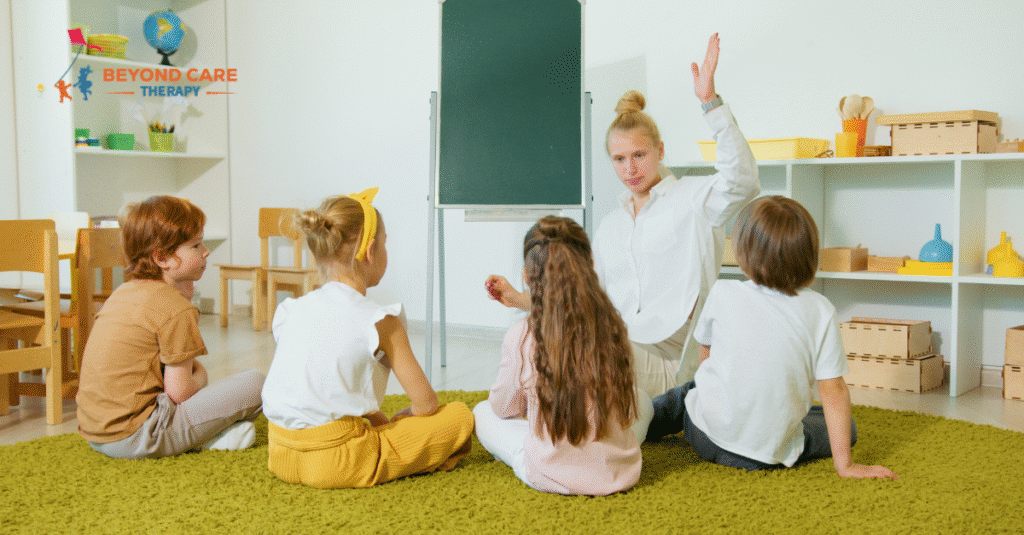
Parental involvement is critical in reinforcing the skills learned in an autistic classroom.
Here’s how parents can support their child’s education:
- Open Communication: Maintain regular communication with teachers to stay informed about your child’s progress and how you can reinforce skills at home.
- Practice Skills at Home: Use everyday situations as opportunities for your child to practice social skills, possibly integrating lessons from their classroom into daily routines.
- Reinforce Techniques: Teach your child the strategies they’re learning in school, such as using visual supports, and consistently apply them at home to promote understanding.
The Use of Technology in the Autistic Classroom
Technology has become a powerful tool in enhancing learning and communication for students with autism.
Here are some beneficial ways to utilize technology in an autistic classroom:
- Communication Devices: Tools like speech-generating devices or apps can help non-verbal or minimally verbal students express themselves more effectively.
- Interactive Learning: Educational software and applications designed for students with autism provide engaging and effective learning experiences tailored to their interests.
- Monitoring Progress: Teachers can use technology to track individual student progress, allowing for data-driven adjustments to instructional strategies.
Conclusion
Fostering social skills in an autistic classroom goes beyond traditional teaching methods; it requires a comprehensive understanding of the unique challenges that students face. By creating an inclusive environment, implementing structured routines, utilizing visual supports, and encouraging peer interactions, educators can significantly enhance the social development of students with autism.
*Tip: Regularly engage with parents to create consistent strategies between home and school. This partnership provides students with a cohesive support system essential for their development.
Frequently Asked Questions
An autistic classroom is a specialized learning environment designed to meet the needs of students with Autism Spectrum Disorder (ASD). It focuses on creating structured, supportive, and inclusive educational experiences tailored to individual strengths and challenges.
Key features of an autistic classroom include individualized instruction, sensory-friendly designs, visual supports, structured routines, and opportunities for social interaction. These elements work together to create an environment conducive to learning for students with autism.
Teachers can foster inclusivity by modeling positive social interactions, promoting peer relationships, using “About Me” forms to understand each student, and educating classmates about autism to build empathy and awareness.
Routine in an autistic classroom provides students with predictability and stability, which can reduce anxiety and enhance focus. Clear and consistent schedules help students understand what to expect during the school day, promoting a sense of security.
Visual supports help students understand expectations and routines, facilitating better communication and reducing anxiety. Tools like visual schedules and social stories can significantly enhance comprehension and social interactions in autistic children.
Teachers can promote social skills among autistic students through role-playing activities, group projects, and positive reinforcement techniques. Providing structured opportunities for interaction encourages students to engage and build friendships.
Parents can support their child’s learning by maintaining open communication with teachers, practicing learned skills at home, and reinforcing strategies shared by educators to promote consistency in social development.
Technology can be used to enhance communication through apps and speech-generating devices, provide interactive learning experiences, and track student progress using data collection tools. These technological supports help create an engaging and effective learning environment for students with autism.