

Key Points
- Engaging toddlers in sensory activities fosters critical developmental skills, including motor skills, language development, and emotional regulation.
- Various sensory play ideas for toddlers can be tailored to different learning objectives and sensory experiences.
- Parental involvement enhances the effectiveness of sensory activities for autistic toddlers and promotes guided play, thereby supporting their development.
Introduction
As toddlers explore their surroundings, sensory experiences play a crucial role in their development. Sensory activities for toddlers not only captivate their curiosity but also facilitate the development of essential skills. Research shows that engaging in sensory-rich play reinforces sensory integration and developmental milestones, paving the way for future learning.
At Beyond Care Therapy, we recognize the importance of integrating various sensory play ideas for toddlers into their daily routines. These activities can be fun, educational, and instrumental in promoting growth in areas such as communication, motor skills, and emotional regulation. Incorporating sensory play early in life helps toddlers develop curiosity, independence, and emotional awareness. Each new texture, color, or sound stimulates different areas of the brain, promoting strong neural connections that support learning throughout childhood. This blog will explore ten exciting sensory activities, each designed to enhance your child’s development while ensuring they have a great time. If you’re eager to incorporate these activities into your child’s playtime effectively, stay with us!
Benefits of Sensory Play for Toddlers
Sensory integration refers to how our brains process information from our senses. Activities that stimulate this integration are crucial for toddlers, as they help with:
- Cognitive Development: Encourages problem-solving and critical thinking.
- Fine Motor Skills: Enhances hand-eye coordination through manipulation of objects.
- Language Development: Expands vocabulary as children describe their sensory experiences.
- Emotional Regulation: Provides calming experiences, helping toddlers manage their feelings.
Integrating Applied Behavior Analysis (ABA) principles in early childhood, along with these activities further enriches the child’s learning potential. The structured approach of ABA provides frameworks that can maximize the benefits of sensory play. Additionally, these activities can strengthen parent-child bonds. When parents participate, toddlers feel supported and motivated to explore, making playtime both emotionally rewarding and developmentally beneficial.
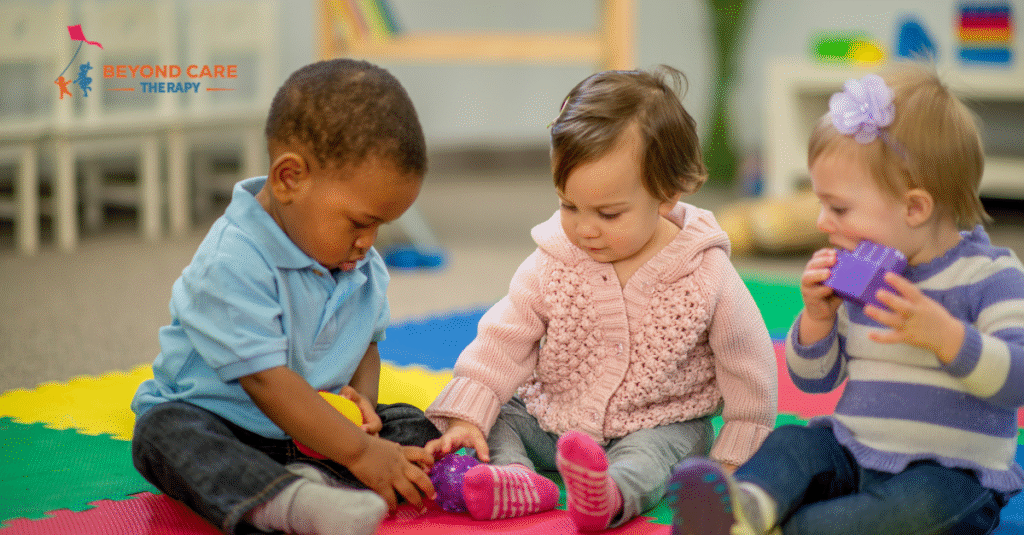
Top Fun Sensory Activities for Toddlers
Here are ten engaging sensory activities for toddlers that you can try at home or in early learning centers:
1. DIY Sensory Bins for Toddlers
Materials Needed: Various fillers (rice, beans, sand), small toys, scoops
Setup: Choose a base material and fill a shallow container.
Activity: Add small toys or scoops for exploration. This encourages imaginative play and fine motor skills, making it one of the best fine motor sensory activities. You can also introduce themed bins, such as “ocean life” or “farm animals”, to encourage creativity and vocabulary development.
2. Tactile and Visual Sensory Activities
Materials Needed: Textured items (scrap fabric, sponges), colored items (buttons, pom-poms)
Setup: Create a sorting activity where toddlers match objects by color or texture.
Activity: Engage them in descriptive language during play to enhance language development through sensory play. This activity improves observation skills and encourages early classification abilities that support pre-math learning.
3. Messy Play for Early Development
Materials Needed: Non-toxic paint, water, or mud
Setup: Allow your toddler to explore different textures.
Activity: Free play with messy materials is excellent for sensory exploration, enhancing both tactile learning and creativity. Messy play can also help reduce tactile defensiveness, allowing children with sensory sensitivities to become more comfortable with various textures.
4. Outdoor Sensory Play Ideas
Materials Needed: Water, buckets, garden tools
Setup: Create a water-play station outside.
Activity: Pouring and transferring water teaches concepts of capacity and enhances fine motor skills, facilitating sensory integration at home. Outdoor sensory play also boosts mood and physical health, connecting children with nature while stimulating multiple senses simultaneously.
5. Sensory Walks
Materials Needed: Various textures (grass, leaves, sand)
Setup: Take a walk outdoors, encouraging your child to walk barefoot on different surfaces.
Activity: Discuss the sensations they feel, promoting sensory integration and sensory awareness. This activity promotes mindfulness and body awareness, helping toddlers recognize and communicate their physical sensations.
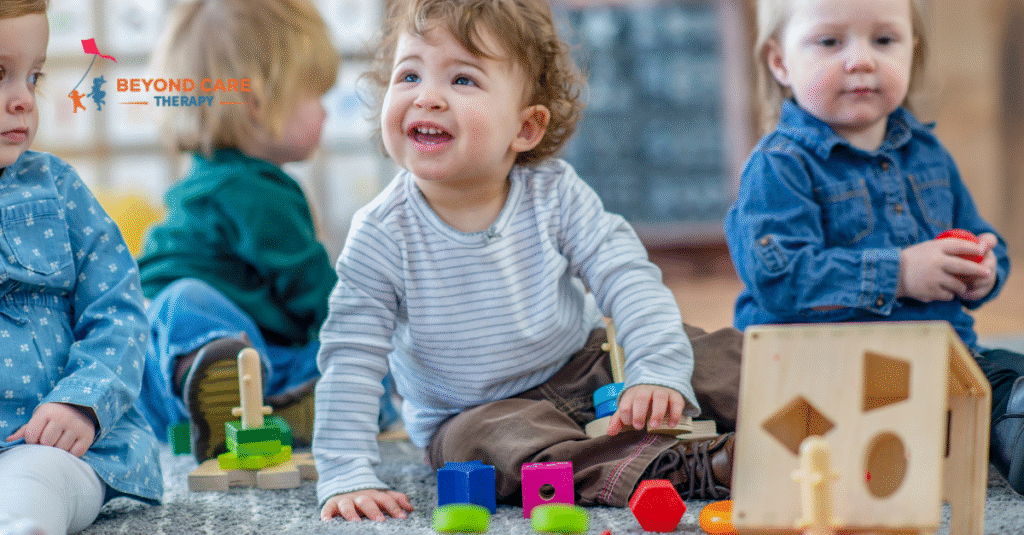
6. Scented Play Dough
Materials Needed: Play-dough, essential oils (like lavender or lemon)
Setup: Mix essential oils into the play dough.
Activity: As your child manipulates the dough, they experience both tactile and olfactory senses while developing fine motor skills. Introducing different scents also enhances sensory discrimination and encourages calmness during playtime.
7. Visual Sensory Discovery Bottles
Materials Needed: Clear plastic bottles, water, glitter, small objects
Setup: Fill the bottles with water and sprinkle in glitter or add small toys.
Activity: Shaking the bottles creates a visually stimulating experience, encouraging kids to observe and describe the action. These bottles are perfect for calming overstimulated toddlers and can be used as a focus tool during transitions or quiet time.
8. Sensory Art Projects
Materials Needed: Various art supplies (crayons, textured materials)
Setup: Encourage toddlers to create art with different textures.
Activity: This promotes creativity while integrating sensory materials, enhancing fine motor skills and sensory exploration. Encouraging them to describe their artwork boosts language skills and builds confidence in self-expression.
9. Sound Sensory Boxes
Materials Needed: Various containers (boxes, tins), different sound-making materials (beans, rice, bells)
Setup: Fill containers with sound-making materials.
Activity: Allow toddlers to explore and create different sounds. This promotes auditory skills and can be especially enjoyable for autistic toddlers. You can turn it into a guessing game where children identify sounds, promoting listening skills and memory.
10. Nature Scavenger Hunt
Materials Needed: A list of natural items to find (leaves, stones, flowers)
Setup: Create a scavenger hunt in your yard or local park.
Activity: Toddlers use their senses across different mediums while encouraging physical activity and exploration. This activity also fosters curiosity, environmental awareness, and teamwork when done in groups.
Looking for specialized ABA support for your child?
Connect with Beyond Care Therapy today!
Parental Involvement and Guided Play
Parent involvement is crucial when conducting sensory activities for toddlers. Engaging in guided play not only strengthens the parent-child bond but also ensures that children receive the support they need during exploration. Be present to facilitate discussions, ask questions, and encourage exploratory behavior.
Conclusion
Incorporating sensory activities for toddlers not only supports growth in motor, cognitive, and language skills but also nurtures emotional well-being, especially in autistic children. Engaging your child through guided play can enhance these experiences, leading to richer learning. The diverse sensory play ideas for toddlers provided here offer avenues for exploration and creativity, helping children meet their developmental milestones effectively. When integrated regularly, these sensory experiences lay a strong foundation for lifelong learning. They foster resilience, confidence, and adaptability, the qualities that extend far beyond early childhood.
*Tip: Always supervise sensory play to ensure safety, and let your child explore freely while providing gentle guidance.
Frequently Asked Questions
Some of the best home-based sensory activities for toddlers include DIY sensory bins, messy play with materials like paint or sand, and tactile exploration with natural items during outdoor sensory play.
Sensory activities help with child development by enhancing cognitive growth, fine motor skills, emotional regulation, and language development through engaging multiple senses in a playful manner.
Activities that include tactile and visual stimulation, such as sensory bins, messy play, and nature scavenger hunts, can be particularly beneficial for toddlers with autism, as they promote engagement and comfort.
Aim for sensory activities several times a week to encourage ongoing development. Regular sensory play can create a comforting routine that fosters learning and exploration.
Choose non-toxic, age-appropriate materials, such as edible items, soft fabrics, and natural substances like sand or water, ensuring that all items are safe for young children to explore.