

Key Points
- Autism colors and symbols play a vital role in raising awareness and promoting understanding of autism spectrum disorder (ASD).
- Different colors represent various aspects of the autism community, with an emphasis on fostering acceptance and inclusion.
- Knowledge of autism colors and their meanings can empower parents and advocates to communicate the significance of autism awareness.
Introduction
In today’s world, awareness is key to understanding and supporting individuals with autism spectrum disorder (ASD). Over the years, colors and symbols have become powerful tools in conveying the message of acceptance, understanding, and solidarity within the autism community. Autism colors and symbols not only represent the diverse experiences of individuals on the spectrum but also serve as a reminder of the ongoing need for advocacy and support.
At Beyond Care Therapy, we recognize the importance of these visual representations in promoting autism awareness and creating a more inclusive society. By embracing the autism colors and the symbols associated with the spectrum, parents, educators, and advocates can help foster an environment where individuals with autism feel understood, respected, and supported.
If you want to learn more about how you can support individuals with ASD through the knowledge of autism symbols and colors, reach out to us today! We’re here to help and guide you.
What Color Represents Autism?
Various colors symbolize different aspects of the autism spectrum. One of the most widely recognized colors associated with autism is blue, specifically due to the Light It Up Blue campaign initiated by Autism Speaks. Each year on April 2nd, people are encouraged to wear blue to show their support for autism awareness. The choice of blue is significant, as it evokes feelings of calmness and acceptance, qualities that many advocates wish to promote within the autism community.
Additionally, other colors such as gold and multicolored designs are also associated with autism. The rainbow spectrum has emerged as a powerful symbol, denoting the diversity of experiences faced by individuals with autism. This broad array of colors reflects the understanding that autism affects individuals uniquely, requiring tailored approaches to support and intervention.
Autism Colors in Order
Understanding the autism colors in order can deepen the awareness of the spectrum’s representation. Here are some significant colors often linked with autism:
- Light Blue: Promoted by Autism Speaks, light blue symbolizes calmness and acceptance and is the primary color for autism awareness month.
- Gold: This color signifies the value of acceptance and inclusion. It conveys the message that individuals with autism are worthy of recognition and respect in all facets of life.
- Rainbow Colors: The rainbow symbolizes diversity, emphasizing that every person on the autism spectrum has a unique experience, and it is essential to embrace and celebrate that individuality.
- Red and Purple: These colors are used by various organizations to represent broader autism awareness movements, demonstrating solidarity with the autism community.

Designs or Patterns That Relate to Autism Symbols
There are several designs and patterns associated with autism that serve to raise awareness and symbolize support:
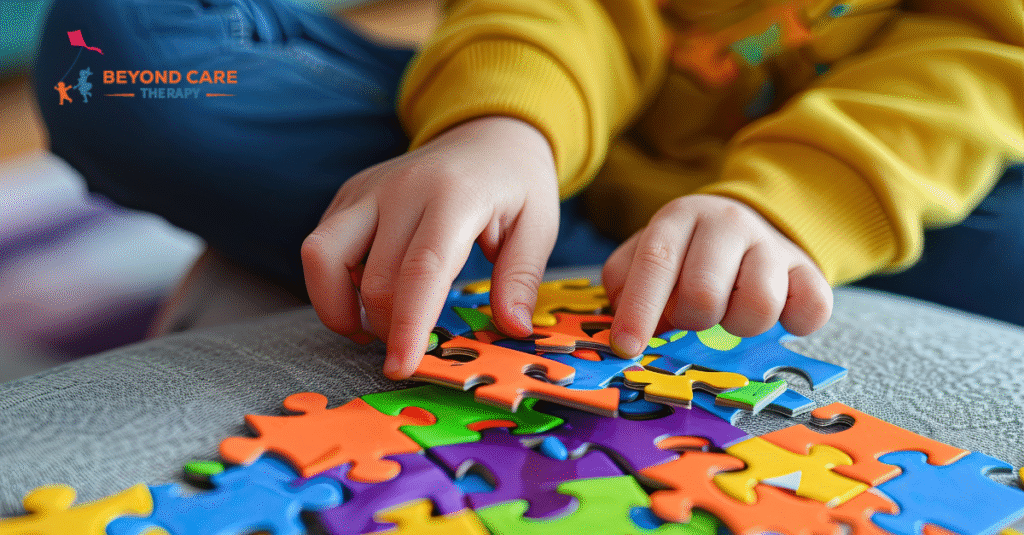
- Puzzle Piece: The classic puzzle piece design embodies the complexities of autism. While the individual pieces reflect the unique experiences of those with autism, variations of this design (often in rainbow colors) signify diversity.
- Butterfly: Often depicted in vibrant colors, the butterfly symbolizes growth and transformation. Patterns featuring butterflies can effectively communicate the positive aspect of development among those with autism.
- Infinity Symbol: This design can be seen with rainbow colors, representing inclusivity and the acceptance of all individuals on the autism spectrum. Its flowing lines emphasize the idea that there are infinite possibilities for support and advocacy.
Autism Awareness Month Symbol
April is designated as Autism Awareness Month, a time when various events and programs focus on increasing awareness and acceptance of individuals with autism. The most recognized symbol associated with this month is the puzzle piece.
Historically, the puzzle piece was chosen to represent autism as it symbolizes the complexity and multitude of challenges associated with the disorder. While the symbol has faced criticism for implying that individuals with autism are “puzzling” or incomplete, many advocacy groups are working to reframe its meaning.
In recent years, alternatives such as the butterfly and the infinity symbol have also gained popularity. The butterfly represents transformation and hope, while the infinity symbol signifies acceptance and inclusivity for all on the autism spectrum.
The Significance of the Butterfly Symbol
The butterfly has emerged as a newer symbol for autism that embodies growth, change, and the beauty of diversity. Unlike the puzzle piece, which has been criticized for its implication of isolation, the butterfly represents the transformative nature of individuals with autism.
Each phase of a butterfly’s life cycle- egg, caterpillar, chrysalis, and adult parallels the journey of personal growth and development experienced by people with autism. This symbol is often embraced to convey that individuals with autism can flourish and thrive with proper support and understanding.
As awareness of the butterfly symbol spreads, it encourages a reconceptualization of autism, focusing on potential rather than limitations.
How to Educate Others About Autism Colors and Symbols
Educating others about the meanings behind autism colors and symbols is vital in raising awareness and fostering understanding. Here are some effective strategies:
- Lead by Example: Wear autism colors or symbols to demonstrate support. When people see you engaging with these colors, they may be inspired to learn more.
- Social Media Awareness: Share posts that explain the importance of the colors and symbols related to autism. Use hashtags such as #LightItUpBlue to join wider conversations and encourage others to participate.
- Community Engagement: Participate in local autism awareness events and provide information on the significance of various colors and symbols to attendees. This can help raise awareness in an engaging and personal manner.
- Open Dialogues: Have conversations about autism with family and friends, explaining the diverse experiences of people on the autism spectrum. Discuss how colors and symbols can help promote understanding and acceptance.
- Educational Workshops: Host or attend workshops focused on autism awareness and advocacy, where you can share relevant insights and strategies and learn as well.

Reach out to Beyond Care Therapy today!
If you’re looking for specialized ABA therapy programs for your child with ASD. We provide the best ABA services with a focus on each child’s unique needs.
How Do Colors Impact the Perception of Autism in Society?
Colors are powerful communicators. When it comes to autism spectrum disorder, colors can significantly affect societal perception. Different colors evoke different emotions and reactions; thus, choosing the right colors for autism can foster:
- Awareness: Colors like blue, which is often associated with tranquility, can reduce stigma and promote understanding of individuals with autism, encouraging broader societal support.
- Acceptance: The use of inclusive symbols like the butterfly can shift the focus from the challenges of autism to the beauty of diversity, promoting a more inclusive society for people with autism.
- Community: Colors can unite individuals. Wearing similar colors during awareness months creates a sense of belonging and support for individuals and families affected by autism.
Conclusion
Understanding the significance of autism colors and symbols empowers individuals, families, and communities to foster a more inclusive society for those affected by autism spectrum disorder. By embracing and promoting these colors and symbols, parents and advocates can actively contribute to raising awareness, acceptance, and understanding of autism.
*Tip: Engage your child in discussions about the colors and symbols used in autism awareness to educate them on the importance of acceptance and diversity. This can reinforce their understanding and create a sense of pride in who they are.
Frequently Asked Questions
What colors are commonly associated with autism?
Common colors associated with autism include blue (representing awareness), gold (symbolizing value and acceptance), and rainbow colors (representing diversity). These colors play vital roles in various awareness campaigns.
Why is blue the official color for autism awareness?
Blue was adopted as the primary color for autism awareness largely due to the Light It Up Blue campaign initiated by Autism Speaks, which emphasizes calmness and acceptance for individuals with ASD.
How can colors and symbols be used in autism awareness campaigns?
Colors and symbols can be prominently featured on clothing, social media, and during events to raise awareness, promote understanding, and celebrate the diversity of people with autism spectrum disorder.
Why is it important to use symbols and colors in autism advocacy?
Symbols and colors enhance visibility, create a sense of community, and foster understanding of autism. They convey messages of support, acceptance, and advocacy, which are critical in reducing stigma.
What is the significance of the butterfly symbol in autism awareness?
The butterfly symbolizes transformation and growth, representing the diverse experiences of individuals with autism and advocating for their continued development and inclusion in society.
How can I educate others about the meanings behind autism colors and symbols?
Educate others on autism colors and symbols through open conversations, social media posts, community events, and workshops. Sharing information fosters awareness and understanding within your circles.
How do colors impact the perception of autism in society?
Colors can influence public perception by fostering awareness, encouraging acceptance, and creating a supportive environment for individuals with autism, thus reframing the conversation around the disorder.
Are there any specific designs or patterns that relate to autism symbols?
Yes, designs like the puzzle pieces, butterfly, and the infinity symbol are commonly used in autism advocacy. Each design emphasizes different themes, such as diversity, growth, and inclusivity.