
Key Points
- Autism schools provide specialized education tailored to the unique needs of children with Autism Spectrum Disorder (ASD).
- Evidence-based practices and individualized support are essential to foster social skills and personal growth in autistic children.
- Collaboration among families, educators, and therapists is vital to create an engaging learning environment for children with autism.
Introduction
What is the Role of Autism Schools in Nurturing Social Skills?
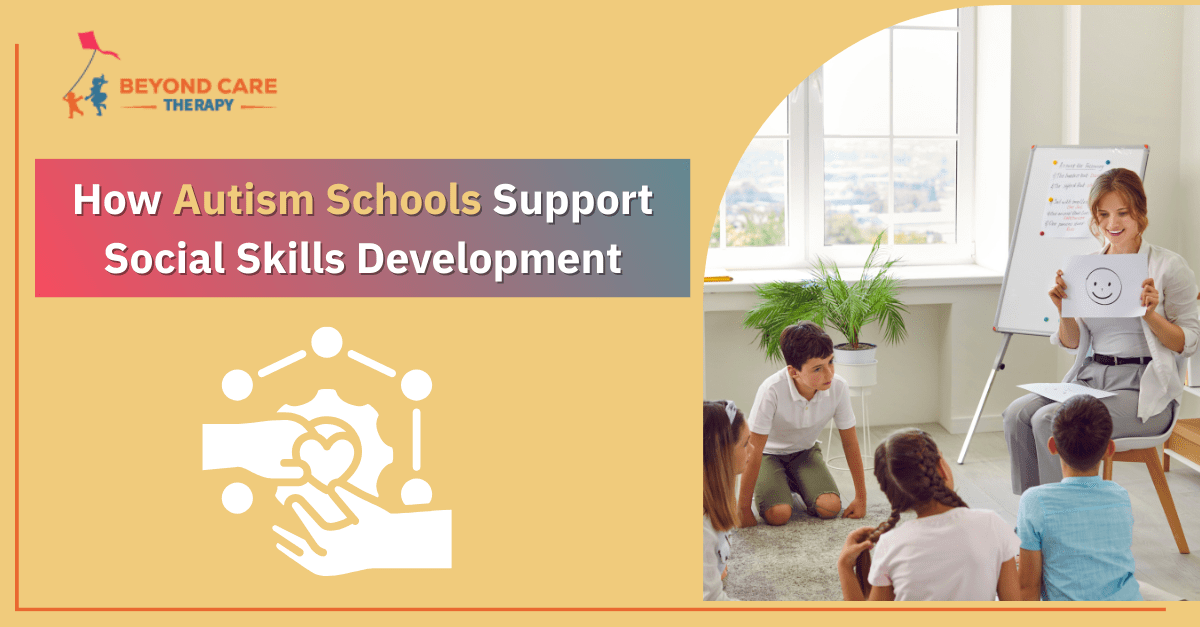
In the journey of supporting children with Autism Spectrum Disorder (ASD), autism schools play a crucial role in fostering social skills development and personal growth. These specialized institutions provide tailored educational programs that cater specifically to the unique challenges faced by children with autism, helping them unlock their potential in social settings, academic environments, and at home. Unlike traditional schools, the best autism schools in the USA focus on individualized learning approaches and evidence-based practices to ensure their students achieve meaningful progress.
At Beyond Care Therapy, we understand the importance of these unique educational settings. By focusing on the social aspects of development, these schools not only promote academic success but also equip children with vital skills for navigating the complexities of social interactions.
If you’re considering educational options in the USA for your child with autism, contact us today to explore how we can support you on this incredible journey.
Understanding Autism Schools
What is an Autism School?
An autism school is a specialized educational institution that serves children with autism spectrum disorder. These schools focus on creating a tailored learning environment that meets the unique needs of students with ASD. With small class sizes, specialized curricula, and trained staff, autism schools provide intensive support to help students thrive academically and socially.
How Do I Know if an Autism School is Right for My Child?
Determining if an autism school is appropriate for your child involves considering multiple factors, including their specific needs, learning style, and social challenges.
Key indicators include:
- Individualized Education Plans (IEPs) that outline tailored objectives for your child.
- A supportive environment that promotes communication and interaction with peers.
- Professional staff trained in addressing the unique needs of children with ASD and expertise in behavior analysis.
Parents should also schedule visits to potential schools to assess their approach, teaching style, and overall environment to ensure a good fit for their child.
Key Factors for Social Skills Development in Autism Schools
1. Individualized Education Plans (IEPs)
An Individualized Education Plan (IEP) is central to the success of children with autism in school settings. An IEP outlines the specific educational needs of the child and includes:
- Customized goals for academic and social development.
- Strategies to support communication and interaction.
- Regular assessments to track progress.
Through an IEP, educators can implement personalized strategies to help children with autism develop essential social skills, fostering independence and confidence.
2. Collaborative Learning Environments
Specialized schools for autistic children encourage collaboration among various stakeholders, including families, therapists, and educators. This collaborative approach ensures that:
- Each child receives consistent support tailored to their needs.
- Families feel connected and engaged in their child’s education, reinforcing social skills at home.
- Multi-disciplinary teams work together to provide holistic support and address barriers to learning.
3. Evidence-Based Practices
Utilizing evidence-based practices such as Applied Behavior Analysis (ABA) helps facilitate the social skills development of children with ASD. ABA techniques promote proactive strategies, including:
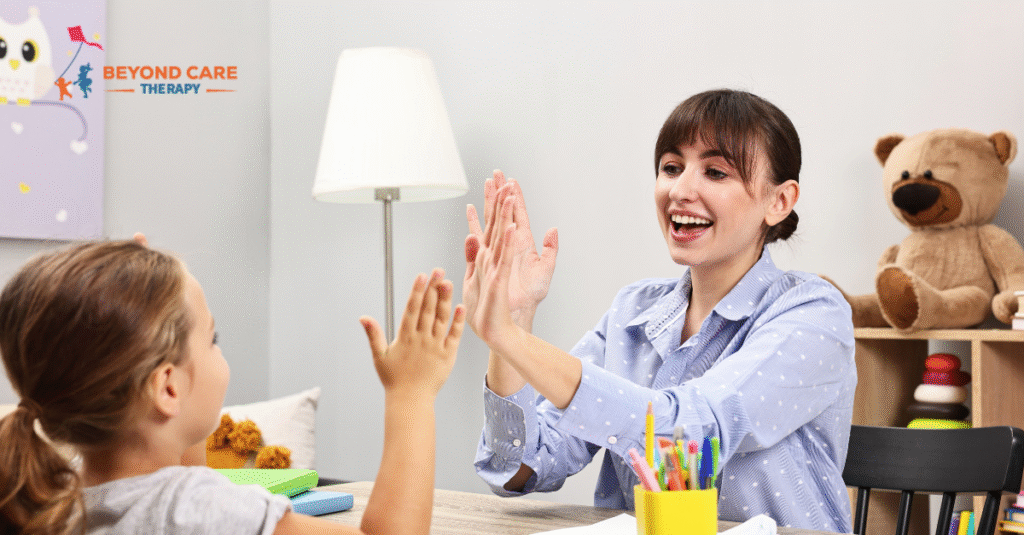
- Training children in social interactions through role-playing and modeling.
- Encouraging peer engagement by organizing group activities that promote teamwork.
- Utilizing visual schedules and social stories to prepare children for social situations and reduce anxiety.

What is The Role of Specialized Programs in Autism Schools?
Specialized programs in autism schools focus on developing social skills and communication through targeted interventions, group therapy, and tailored curricula. These programs create structured environments that address the unique challenges faced by students with Autism Spectrum Disorder, fostering both academic and personal growth.
Here are some of the most important programs:
Programs Focused on Social Skills Development
Many best autism programs in the US emphasize social skills training, providing a structured environment that targets specific challenges faced by children with ASD.
These programs often include:
- Group therapy sessions focused on communication, turn-taking, and emotional regulation.
- Peer interactions facilitated through structured playdates or group projects.
- Social skills curricula that teach essential concepts such as empathy, making eye contact, and understanding non-verbal cues.
Connect with us today and enhance your child's development!
Extracurricular Activities and Reinforcements
Engagement in extracurricular activities plays a significant role in reinforcing social skills development.
- By participating in sports teams, performing arts, or social clubs, children with autism can practice social skills in natural settings.
- Repeated exposure to social scenarios in supportive environments helps children develop confidence and competence in their abilities.
Exploring Some of the Best Autism Schools in the United States
When searching for the best autism schools in the USA, consider:
- Autism Academy of Learning: Located in Ohio, known for personalized learning experiences and strong community involvement.
- Monarch School: Based in Texas, this school emphasizes therapeutic education and fosters intrinsic motivation among its students.
- Virginia Institute of Autism: Located in Virginia, they provide evidence-based practices and tailor programs to the unique needs of each student.
These institutions embody the highest standards of support and services for children with autism, highlighting the need for specialized programs to effectively address their unique challenges.
Conclusion
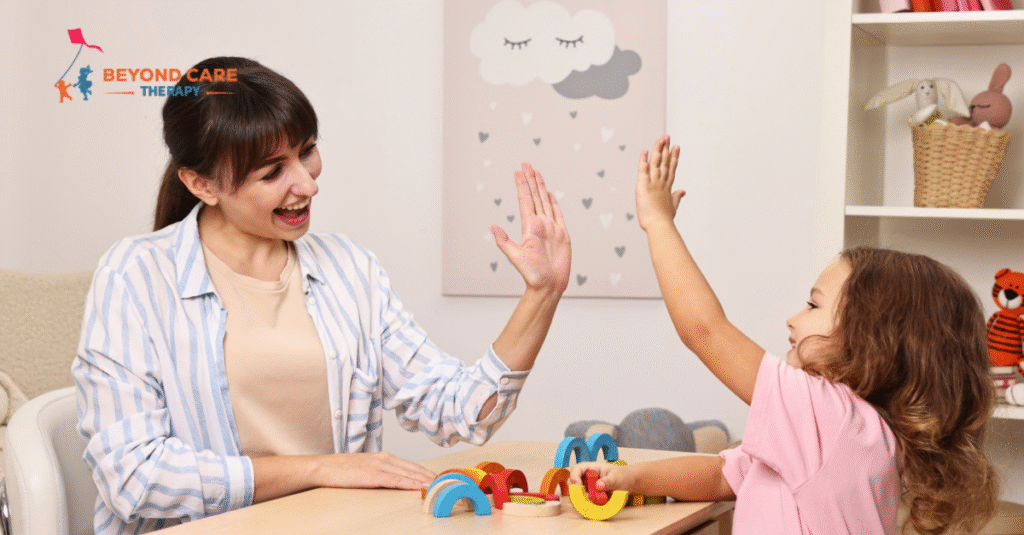
In conclusion, autism schools are invaluable resources in the journey of helping children with Autism Spectrum Disorder develop crucial social skills. Through individualized programs, collaborative approaches, and evidence-based methodologies, these institutions provide the support necessary for autistic children to thrive in all sectors of life.
*Tip: Caregivers are pivotal in reinforcing what children learn at school. Create opportunities for your child to practice social skills in everyday situations. Playdates, family events, or community outings can facilitate real-world applications of what they learn at school.
Frequently Asked Questions
An autism school is an educational institution specifically designed to meet the needs of children with Autism Spectrum Disorder (ASD), offering tailored support and individualized instruction.
Evaluate factors such as the school's IEP process, collaborative environment, curriculum, and specific support offered for social skills development to determine if it’s a good fit for your child with ASD.
Autism schools offer a variety of programs focused on individualized education plans, social skills training, communication support, and extracurricular activities aimed at promoting social interaction and independence in autistic children.
No, autism schools cater to a range of needs, including those of children with varying levels of functioning and support requirements. Each school’s programs are designed to accommodate individual strengths and challenges.
Autism schools implement tailored social skills programs, utilize evidence-based practices, foster collaboration among stakeholders, and provide structured opportunities for peer interaction to effectively support social skills growth.