

Key Points
- Effective Learning Environment: In-home ABA therapy provides a comfortable setting for children, encouraging them to learn and grow.
- Tailored Support: Each therapy session is personalized, fitting your child’s unique needs to ensure optimal progress.
- Family Involvement: Active participation of parents in the therapy process enhances learning and reinforces skills at home.
Introduction
Finding the most suitable autism treatment can be a challenge for parents. Among the various therapy options available, in-home ABA therapy stands out as an effective and flexible choice. This methodology allows trained professionals to work with children in the familiar comfort of their homes, making learning more engaging and effective.
In-home ABA therapy integrates the principles of Applied Behavior Analysis (ABA) directly into the child’s everyday routine. By emphasizing positive reinforcement, teaching new skills, and addressing specific behavioral challenges, this therapeutic approach empowers children with autism.
At Beyond Care Therapy, we’re dedicated to providing supportive, personalized ABA therapy at home for autism, specifically tailored to meet your child’s unique needs.
Curious about how in-home ABA therapy can make a difference for your child?
What is In-Home ABA Therapy?
In-home ABA therapy is a behavioral treatment designed to assist children with autism in developing essential skills while minimizing challenging behaviors. This approach involves therapists conducting sessions in the child’s home, which creates a comforting and familiar environment. During these sessions, therapists work closely with children and families, integrating interventions into everyday life.
Here’s what it includes:
- Personalized Treatment Plans: Each child’s therapy plan is uniquely created to address their particular strengths, weaknesses, and goals. This tailored approach helps to maximize growth potential and achieve meaningful outcomes for each child.
- Real-Life Learning: By embedding therapy into the child’s daily routines, children get to learn in contexts that are important to them. This relevance increases the likelihood of sustainable progress, allowing children to apply learned skills beyond the therapy sessions.
How Does In-Home ABA Therapy Work?
In-home ABA therapy employs a flexible and personalized approach to teaching children skills. Here is what you can typically expect during sessions:
- Assessment: When therapy begins, the therapist conducts a thorough assessment of the child’s current skills, challenges, and environment. Understanding these factors is the key to developing an effective therapy plan.
- Goal Setting: Based on the assessment, specific goals tailored to the child’s needs are established. These targets focus on skills that will enhance the child’s daily life, combining both behavioral goals and social skills.
- Implementation of Techniques: Trained therapists use various ABA therapy home programs tailored to the child’s individual learning style. Techniques may include positive reinforcement, modeling, or structured play.
- Data Collection: During sessions, therapists collect data on the child’s progress, which helps track improvement and inform necessary adjustments to the therapy approach.
- Parent Training: Parents are encouraged to participate actively in the sessions. This engagement empowers them to reinforce learning at home, ensuring that children continue to practice and develop skills outside structured therapy.

Benefits of In-Home ABA Therapy
There are numerous benefits of in-home ABA therapy, making it a suitable choice for many families seeking treatment:
- Comfortable Environment: Children tend to feel more at ease in their homes. This comfort aids concentration and willingness to participate in therapy, leading to effective learning.
- Family Involvement: In-home therapy welcomes family participation, allowing parents and siblings to take part in sessions actively. This involvement reinforces skills learned during therapy, supporting continued progress in the home environment.
- Flexibility: In-home therapy offers scheduling flexibility, making it convenient for families to fit sessions into their daily routines. This convenience minimizes stress related to travel and logistics.
- Addressing Real-World Challenges: Therapists can integrate skills training into everyday activities, such as meals, playtime, or personal care. This method allows children to practice learned skills and behaviors in natural settings.
In-Home vs. Center-Based ABA Therapy for Autism
When considering ABA therapy, parents often weigh the pros and cons of in-home versus center-based therapy. Here’s a breakdown to help clarify both options:
In-Home ABA Therapy | Center-Based ABA Therapy |
This approach allows therapy to occur in a familiar environment, which can significantly reduce anxiety and promote better participation. Therapy can be integrated into daily life, ensuring relevance and practicality. | This option involves children travelling to a clinic or office for therapy sessions. While it provides a structured and controlled setting, it may lack some of the natural context available in an in-home environment. |
Ultimately, the choice between home-based therapy and center-based therapy depends on the child’s temperament and the family’s unique needs and preferences.
Affordable In-Home ABA Therapy Options for Children with Autism
Finding affordable in-home ABA therapy can be an essential consideration for many families. While costs may vary, several options can help make in-home therapy more accessible:
- Insurance Coverage: Many insurance plans offer coverage for ABA therapy, including in-home services. It’s important to check your policy for specific benefits and any requirements for diagnosis.
- Sliding Scale Rates: Some providers offer sliding scale fees based on income, allowing families facing financial challenges to access necessary services.
- Community Programs: Local resources and community organizations may provide financial assistance or connect families with subsidized services.
- Grants and Scholarships: Some foundations and non-profits offer financial aid to families in need of autism therapy services.
Taking the time to research all available options can often lead families to quality in-home therapy services that are also affordable.
Parent Involvement in ABA Therapy for Autism
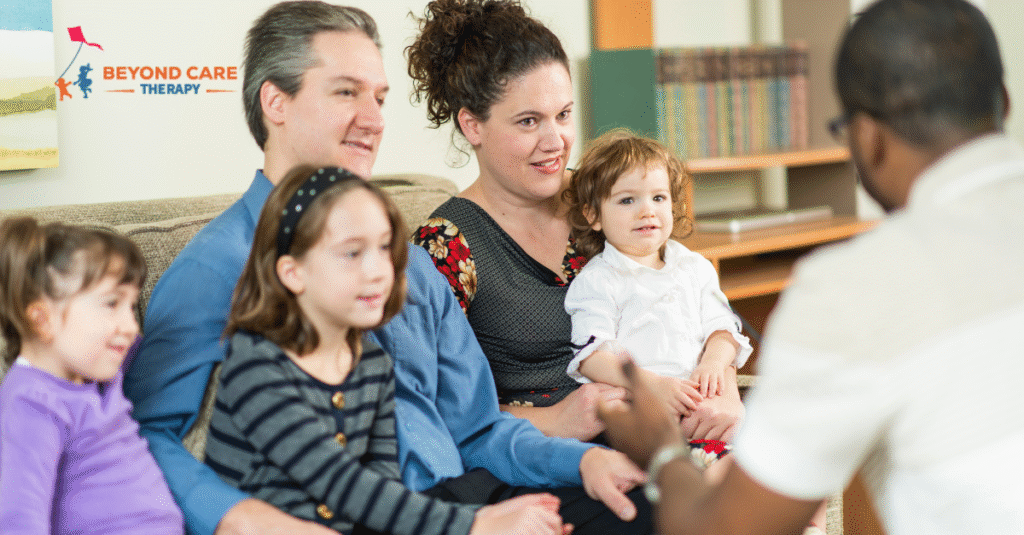
Parent involvement plays a critical role in the success of in-home ABA therapy. Engaging parents not only reinforces the skills being taught but also strengthens the bond between parents and children.
Here are some ways through which parents can actively participate:
- Observation: By observing therapy sessions, parents gain insight into the techniques being employed and how to replicate them at home.
- Reinforcing Skills: Parents can use strategies learned during therapy sessions to encourage and reinforce positive behaviors.
- Feedback: Parents provide valuable information to therapists about their child’s behaviors outside of sessions, which can help therapists adjust interventions to be more effective.
- Participation: Actively joining in therapy activities fosters a supportive atmosphere and enhances the learning experience for the child.
*Tip: Actively participate in your child’s therapy sessions and communicate regularly with their therapists. This involvement not only reinforces learning at home but also fosters a supportive environment for your child’s growth.
Conclusion
In-home ABA therapy offers a personalized and efficient solution to helping and supporting children with ASD. By conducting sessions in the comfort of home, this therapy not only promotes meaningful skill development but also allows for ongoing family involvement and consistency in applying what is learned.
The approach can lead to significant improvements in a child’s social interactions, communication skills, and overall independence, all within a familiar and secure environment.
If you have any questions or want to explore how in-home ABA therapy can help your child, reach out to us at Beyond Care Therapy. We are here to offer personalized support to help your child succeed!

Frequently Asked Questions
Is ABA therapy better at home?
Many families find that in-home ABA therapy provides a more comfortable setting for their child, leading to increased engagement and participation compared to clinic-based options.
What are the benefits of in-home ABA therapy for children with autism?
Benefits of in-home ABA therapy for autism include a comfortable setting, active family involvement, flexible scheduling, reduced stress, and targeted interventions that address real-life situations.
How is in-home ABA therapy different from clinic-based therapy?
In-home therapy focuses on teaching skills in the child’s natural environment, while clinic-based therapy provides a structured setting that may lack some real-world context.
What should I expect during an in-home ABA session?
During an in-home ABA session, parents can expect routine establishment, engaging activities tailored to their child’s goals, progress documentation, and active collaboration with therapists.
Can parents be involved in in-home ABA therapy?
Yes, parent involvement is highly encouraged in in-home ABA therapy, helping to reinforce strategies and support their child’s learning.
Is in-home ABA therapy covered by insurance?
Many insurance plans do cover in-home ABA therapy, but it’s essential to check with your provider to understand the specifics of your coverage.