

Key Points
- Understanding ABA Therapy: ABA or Applied Behavior Analysis therapy is a structured approach that helps children with autism develop vital social, communication, and daily living skills.
- Effectiveness: Tailored ABA programs have been shown to significantly improve behavior, communication, and overall functioning in children with autism.
- Family Involvement: Parent participation is crucial in ABA therapy, ensuring skills learned can be reinforced consistently at home.
Introduction
Dealing with the complexities of Autism Spectrum Disorder (ASD) can be challenging for families, particularly in understanding treatment options. One of the most widely recognized interventions is ABA therapy, or Applied Behavior Analysis, which focuses on teaching children with autism essential skills through structured methods. This evidence-based approach not only aims to improve behavioral outcomes but also enhances social interactions, communication abilities, and adaptive skills.
At Beyond Care Therapy, we pride ourselves on our individualized ABA programs that cater to the specific needs of each child. In this comprehensive guide, we’ll explore the meaning of ABA therapy, its effectiveness, how it operates, and the crucial role families play in this transformative process.
What Is ABA Therapy?
ABA stands for Applied Behavior Analysis. It’s a scientifically validated approach designed to modify behavior and teach new skills using methods grounded in learning theory. At its core, ABA therapy for autism focuses on reinforcing desired behaviors while decreasing undesirable ones through a system of rewards and consequences.
The goal of ABA therapy is to improve an individual’s overall quality of life. This includes fostering independence and teaching essential everyday skills, which can range from communication to personal care and social interactions.
How Does ABA Therapy Work?
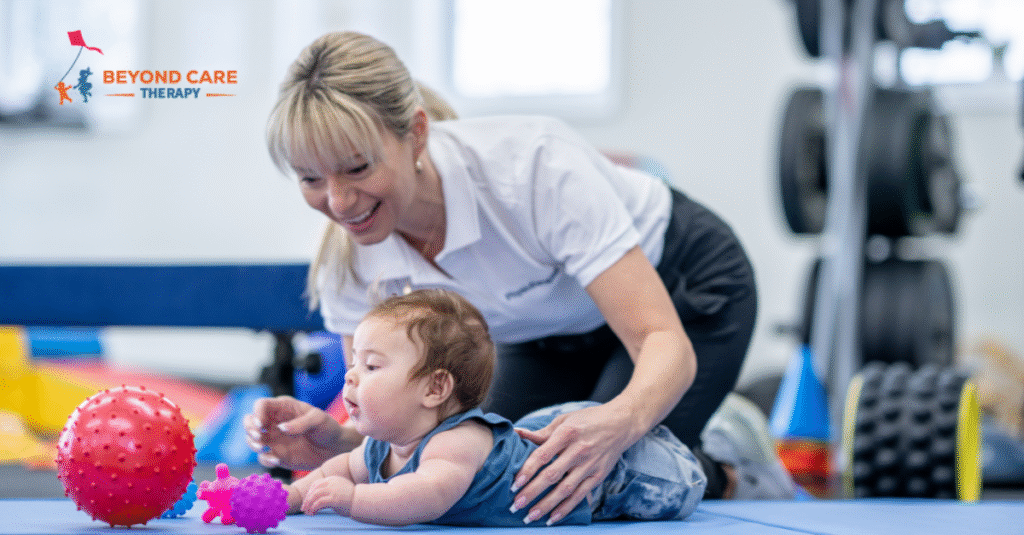
ABA therapy operates on specific principles of behavior analysis, focusing on identifying the antecedents and consequences that influence behavior.
Here’s how it typically works:
- Assessment: An individualized assessment is conducted by a trained professional, usually a Board Certified Behavior Analyst (BCBA). This includes evaluating the child’s strengths, weaknesses, and specific areas of need.
- Goal Setting: Based on the assessment, specific, measurable goals are established. These goals could involve improving communication skills, teaching daily living activities, or enhancing social interactions.
- Intervention Techniques: Various methodologies, such as Discrete Trial Training (DTT) or Natural Language Acquisition (NLA), are employed to teach skills in manageable steps. The child is rewarded for successful task completion through positive reinforcement, which can include praise, tokens, or other rewards.
- Regular Monitoring: Progress is consistently monitored through data collection. Adjustments to the intervention plan are made based on the data collected to ensure the child is on the path to achieving their goals.
Are you ready to explore how ABA therapy can benefit your child?
Contact Beyond Care Therapy today for a consultation! Our knowledgeable team will guide you through each step of the process and answer any questions you may have about creating an individualized treatment plan for your child.
Benefits of ABA Therapy for Children with Autism
ABA therapy offers numerous advantages for children on the autism spectrum, such as:
- Enhanced Communication: One of the primary focuses of ABA is to improve language and communication skills. This may involve teaching functional communication, such as expressing needs or participating in conversations.
- Improved Social Skills: Children learn how to interact with peers and adults through structured social skills training, which prepares them for meaningful relationships.
- Increased Independence: By teaching daily living skills, children can gain greater independence in activities such as dressing, eating, and personal hygiene.
- Reduction of Problem Behaviors: ABA therapy also aims to decrease maladaptive behaviors through positive reinforcement. This encourages children to replace negative behaviors with more appropriate, socially acceptable actions.
Evidence Supporting ABA Therapy for Children with Autism
Numerous studies support the effectiveness of Applied Behavior Analysis therapy for children with autism. Research has shown that intensive, long-term ABA programs can lead to significant improvements in various domains, including:
- Language development
- Social skills
- Daily living skills
- Academic abilities
The U.S. Surgeon General and the American Psychological Association recognize ABA therapy as an evidence-based practice, meaning it has been scientifically evaluated and proven effective. Longitudinal studies indicate that autistic children who participate in consistent ABA therapy exhibit marked improvements in various life skills over time.

Who Conducts ABA Therapy?
ABA therapy is typically conducted by trained professionals, primarily Board Certified Behavior Analysts (BCBAs), who supervise the therapy. They design individualized treatment plans and oversee registered behavior technicians (RBTs) who implement the therapy sessions. This structure ensures the therapeutic process maintains high standards of quality and effectiveness.
The Role of Parents in ABA Therapy
Parents play an integral role in the success of ABA therapy. They are encouraged to actively participate in sessions and collaborate with therapists to reinforce learning at home. This partnership helps ensure that skills acquired in therapy transfer into everyday settings, providing consistent support for children as they practice new behaviors.
How Does ABA Therapy Help with Social Skills?
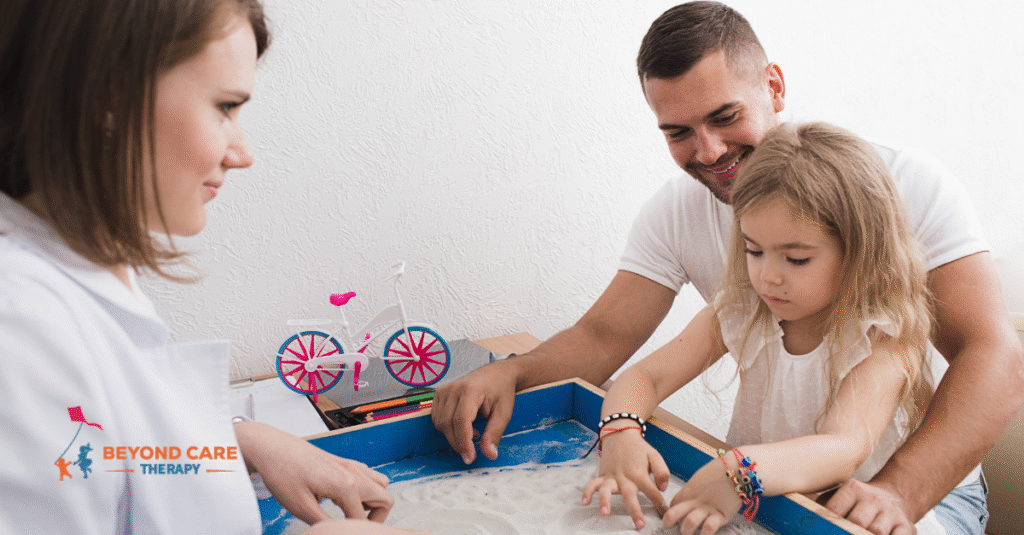
Social skills development is a significant component of ABA therapy. Children learn how to initiate and maintain conversations, interpret social cues, and build relationships with peers. Through role-playing, modeling, and guided social interactions, therapy can help children navigate various social situations more adeptly.
What Should I Expect During an ABA Therapy Session?
Typically, an ABA therapy session is structured yet flexible, allowing for personalized interactions tailored to the child’s specific goals. During a session, you can expect:
- Introduction and Warm-Up: The session often begins with a review of previous skills before moving on to new targets.
- Skill Acquisition: The therapist introduces a new skill, breaking it down into manageable steps and using prompts to guide the child.
- Reinforcement: Positive reinforcement is provided for correct responses, enabling the child to associate rewards with successful task completion.
- Data Collection: The therapist collects data during the session to track progress and make necessary adjustments.
Don’t wait to start your child’s journey toward improved skills and independence!
Is ABA Therapy Harmful?
A common concern among parents is whether ABA therapy is harmful. While there have been debates surrounding its methodology, it is essential to clarify that ABA aims to promote positive behavior change. The focus is on reinforcing desirable actions rather than punishing undesired ones. Many parents and practitioners report significant improvements in their children’s behaviors and skills through ABA therapy.
Conclusion
ABA therapy is a pivotal resource for children with autism, focusing on building essential skills that enhance their quality of life. By employing structured methods and promoting family involvement, this evidence-based approach can lead to substantial improvements in social skills, communication, and overall functioning. With the right support and commitment, children can thrive in their environments.
*Tip: Encourage your child’s progress by practicing skills learned in therapy at home. Consistent reinforcement and positive interactions can significantly enhance their learning experience.
Frequently Asked Questions
How does ABA therapy work?
ABA therapy works by assessing behaviors and creating individualized plans that focus on reinforcing positive behaviors while reducing unwanted ones. Techniques such as positive reinforcement, data collection, and regular assessments enable tailored interventions that lead to meaningful behavioral change.
Is ABA therapy effective for all children with autism?
While many children benefit significantly from ABA therapy, outcomes can vary. Effectiveness often depends on factors like the child’s age, the severity of their autism, the intensity of the program, and parental involvement in reinforcement practices.
Who conducts ABA therapy?
ABA therapy is typically conducted by trained professionals, including Board Certified Behavior Analysts (BCBAs) and registered behavior technicians (RBTs). They work together to implement care plans and deliver therapy to children.
Is ABA therapy only for children with autism?
Although ABA therapy is most commonly used for children with autism, it can also be applied to individuals with other behavioral challenges or developmental disorders, helping them develop essential skills across various contexts.
What is the role of parents in ABA therapy?
Parents play a crucial role in ABA therapy by collaborating with therapists to reinforce learning at home. Engaging in the therapy process and applying strategies within daily routines helps solidify skills and support overall progress.
How does ABA therapy help with social skills?
ABA therapy aids in social skills development by teaching children how to interact appropriately with others, understand social cues, and build relationships. Structured social skills training provides practice in safe environments, making children more comfortable in social settings.
What should I expect during an ABA therapy session?
During an ABA therapy session, you can expect a structured approach that includes goal setting, skill acquisition, reinforcement, and data collection. Each session is tailored to meet the child’s specific needs and may involve hands-on practice of newly learned skills.