
Key Points
- Creating calming routines for autistic kids can help them feel more secure.
- Using sensory tools to calm an autistic child can prevent meltdowns.
- Making low-arousal environments can keep autistic kids calmer.
Introduction
Helping a child with autism manage their emotions can be tough, specially when they feel overwhelmed. Knowing how to help a child with autism calm down is important for parents and caregivers. Children with autism might have meltdowns due to too much noise, unexpected changes, or feeling stressed. By identifying what makes kids feel better and finding ways to calm them, you can make a big difference. In this blog, we’ll talk about different ways to help soothe a child during these difficult moments.
Want to learn more about effective ways to calm your child with autism?
Contact us today!
Understanding Autism and Meltdowns
What Are Autism Meltdowns?
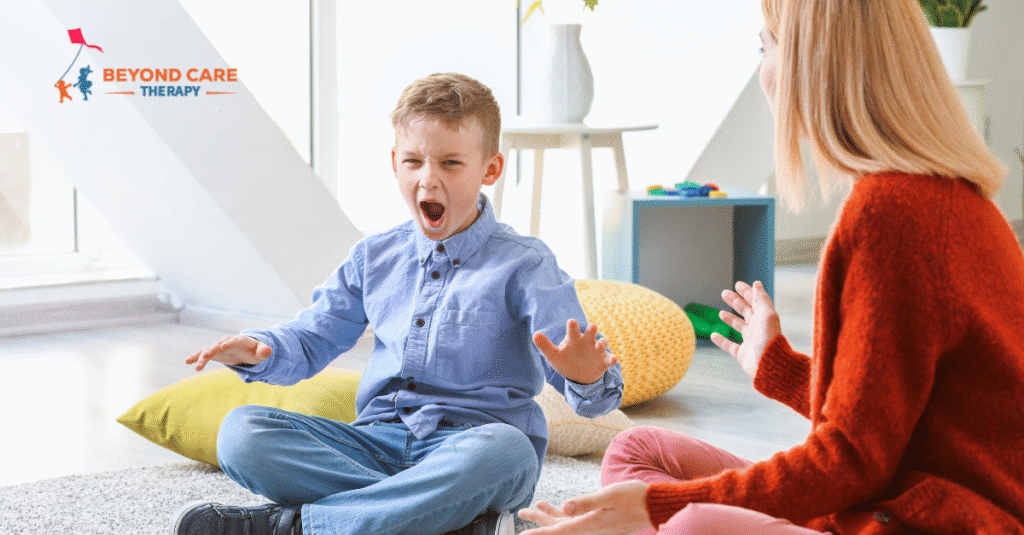
Meltdowns in autistic children are different from regular tantrums. They happen when a child feels so overwhelmed that they can’t cope anymore. This reaction is involuntary and can show as crying, yelling, or withdrawing. Knowing this can help you respond with more understanding and kindness.
What Causes Autism Meltdowns?
Identifying what triggers meltdowns is key to prevention. Some common triggers include:
- Loud noises
- Unexpected changes in routine
- Bright lights
- Crowded places
Knowing these can help you handle situations better before they become overwhelming.
Reach out to us at Beyond Care Therapy for personalized support!
Effective Strategies for Calming Autistic Kids
1. Calming Routines for Autistic Kids
Having calming routines for autistic kids can make them feel safe. When kids know what to expect, it reduces anxiety. You can include activities like deep breathing, sensory activities, or simply quiet time in their routine.
2. Sensory Tools to Calm an Autistic Child
Using sensory tools to calm an autistic child is very helpful during tough times. Things like fidget spinners, noise-canceling headphones, and weighted blankets for autism calming can provide comfort and help them focus better.
3. Safe Space Techniques for Autism Meltdowns
Creating a safe space in your home can provide a retreat during autism meltdowns. This can be a cozy corner with soft pillows, blankets, or soothing sounds where your child can go to calm down.
4. Deep-Pressure Therapy for Autistic Children
Deep-pressure therapy for autistic children can help calm them down. Using weighted items, such as blankets, can provide the comforting pressure they may need to feel more secure.
5. Creating Low-Arousal Environments for Autistic Kids
Making low-arousal environments for autistic kids is important. You can do this by dimming lights, keeping noise levels low, and using soft colors in the room. This helps create a peaceful atmosphere.
6. Teaching Self-Calming Techniques
Teaching self-calming techniques to autistic kids is key. Simple strategies like deep breathing, counting to ten, or imagining a calm place can empower your child to handle their emotions better.
Using ABA Calming Strategies for Autism Meltdowns
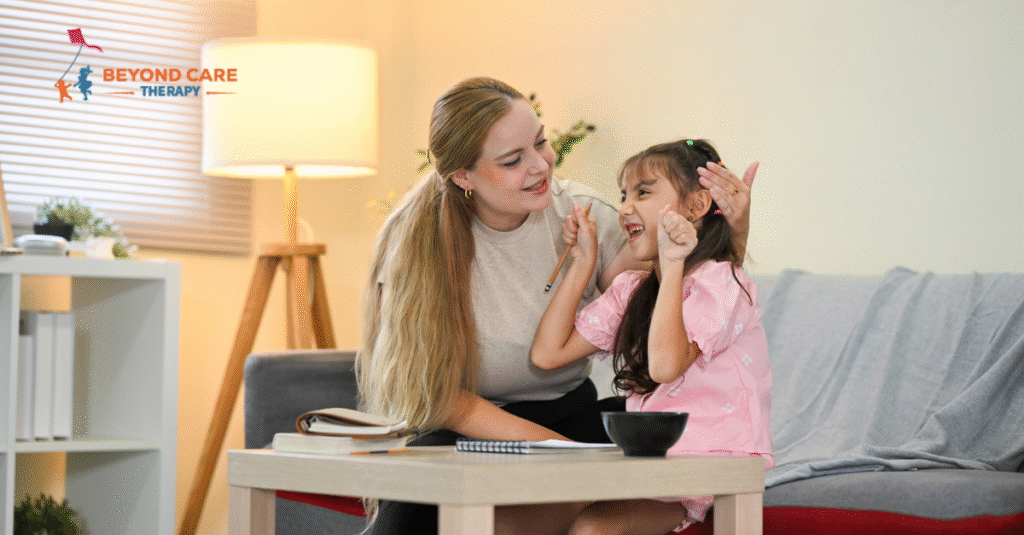
Applied Behavior Analysis (ABA) is a method widely used in autism therapy. ABA calming strategies for meltdowns include using positive reinforcement and structured routines. For instance, if your child uses a calming method during a difficult moment, praise them! This encourages them to use those techniques more often.
Want more customized strategies?
Contact Beyond Care Therapy today for specialized support tailored to you!
Conclusion
Helping an autistic child during overwhelming moments can be challenging, but with the right strategies, it can be done. Knowing how to help a child with autism calm down can help them feel more secure and in control. By creating consistent routines, using helpful tools, and teaching self-soothing techniques, you can guide your child through tough times. Remember, seeking help is okay, and every little step counts.
*Tip: Start practicing calming techniques during calm moments, so your child knows how to use them when stress arises.
Frequently Asked Questions
Effective strategies to calm a child with autism include creating calming routines, using sensory tools, having safe spaces, and teaching self-regulation techniques.
The six stages of autism meltdown usually include feeling upset, getting overwhelmed, losing control, having a meltdown, recovering, and then returning to a calm state.
Sensory tools like weighted blankets can help provide comfort and security, allowing autistic children to feel more in control during stressful moments like meltdowns.
Common triggers of autism meltdown can be loud noises, sudden changes, lack of sleep, or high-stress situations.
A low-arousal space is a quiet area designed to reduce stress. You can create one by using soft lighting, minimizing noise, and including calming items.
Yes, weighted blankets provide calming pressure that helps soothe the nervous system, making autistic children feel secure.
Parents can use ABA strategies both before meltdowns occur by establishing a routine and during meltdowns by encouraging calming techniques.